Reflection
Quiet prompts and the Godai, the five elements, help you see how you think, feel and act, without labels or judgement.

About Ikigai Today
Many of us are busier and more connected than ever, yet quietly unsure what it is all for. Ikigai offers a gentler answer: not a bigger goal, but a clearer sense of what already makes life worth living.

生き甲斐 · A reason for being
In Japanese, ikigai joins iki, to live, with gai, worth or value. It means the things that make your life feel worth living.
In Japan, ikigai is often small and close to home: tending a garden, caring for a grandchild, mastering a craft, sharing tea with a friend. The four-circle diagram you may have seen online is a recent Western addition. It can be useful, but it can also turn ikigai into one more thing to achieve.
We take the quieter view. Your ikigai is not a job title waiting to be found. It is already present in what you love, in what you do well, and in what you give. Our work is to help you notice it, and to live a little closer to it each day.

The moment we are in
Life moves fast. Work follows us home, our attention is pulled in a hundred directions, and it is easy to go weeks without asking what we want our days to hold.
Many people are also living through change: a new stage of life, a career that no longer fits, children leaving home, retirement, or simply a sense that something is missing. These moments are hard, and they are also openings.
You don't need to quit your job or move across the world. Ikigai asks for something smaller and more lasting: a little time to reflect, small steps you can keep, and people to walk beside you.
Our approach
Quiet prompts and the Godai, the five elements, help you see how you think, feel and act, without labels or judgement.

Drawing on kaizen, we favour tiny, steady changes over big resolutions, so what you begin in the course keeps going after it ends.
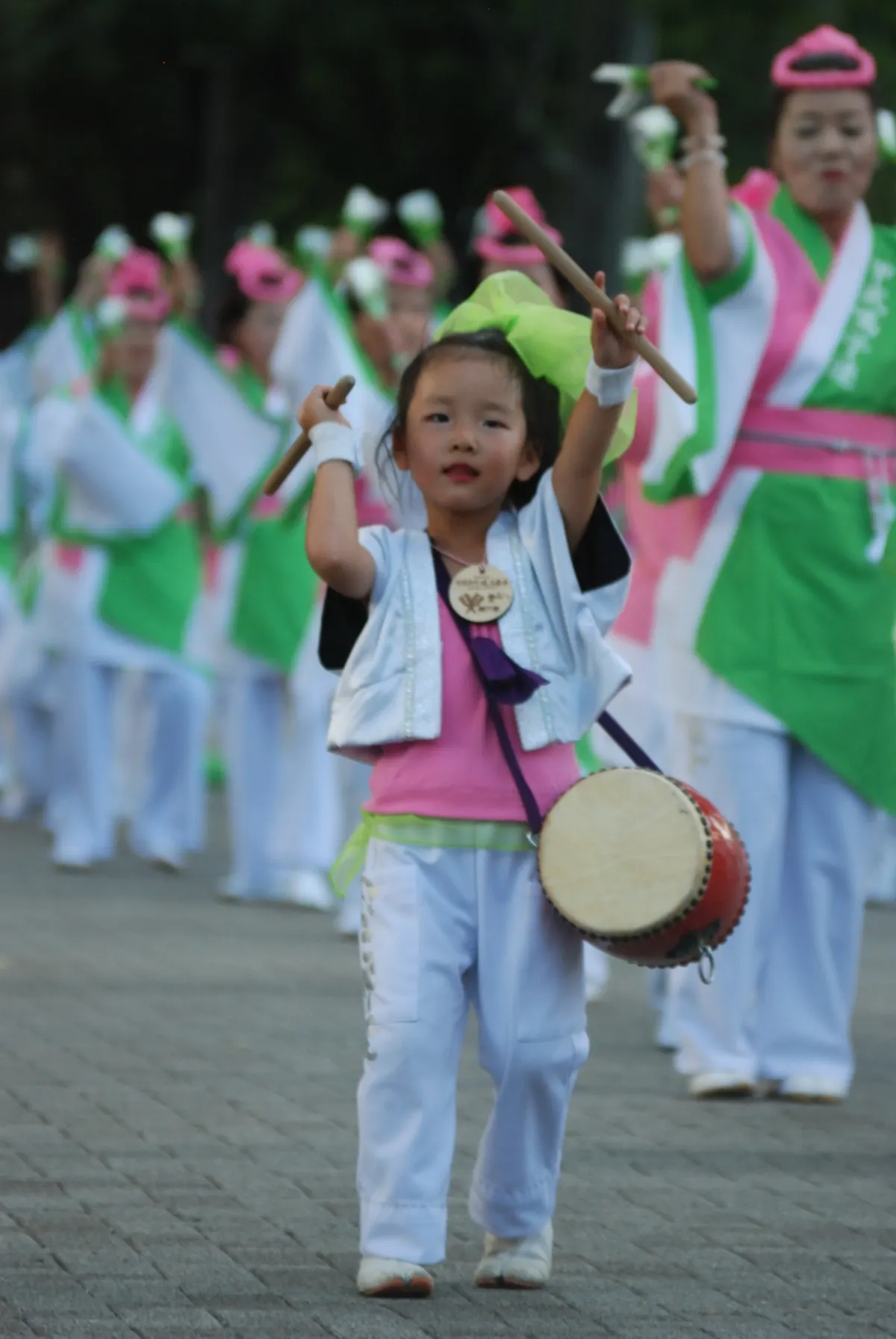
We meet live in a small group of about twelve, so everyone is seen and heard, and no one does this work alone.
Pause
What already makes your life feel worth living?
Our story
Ikigai is a journey, not a destination.
Our story began more than 25 years ago, in a self-development course called Context.
Mimi and Edward were there for the same reason. Each wanted to understand themselves more deeply, and to break free of patterns that kept repeating and no longer served them. The course helped. It gave them a way to see those patterns clearly, and the start of a friendship that has lasted ever since.
But insight is only a beginning. As life went on, new hurdles and challenges arrived, as they do for all of us. Each one asked something new of them, and as they met those challenges, they grew. Along the way they gathered practices that worked: noticing the hidden patterns beneath a reaction, stepping out of cycles of hurt instead of repeating them, choosing harmony with the people around them, and trusting small, steady steps more than grand resolutions.
A few years ago, Mimi reached out to Edward with an idea. She wanted to create a course that honoured her Japanese heritage and brought together everything the two of them had learned. Ikigai, the Japanese sense of a life worth living, became its heart. Around it they gathered the ideas that had helped them most: the Godai's five elements for understanding yourself, Kaizen for small steps, Senzai Ishiki for the patterns beneath the surface, Akujunkan for breaking old cycles, and Wa for harmony with others.
And so Ikigai Today was born. It isn't a set of answers. It is a companion for the journey, shaped by two friends who are still walking it themselves.

Founder
A native of Japan, Mimi has spent most of her adult life in the Seattle area. Before founding Ikigai Today, she built a career as an entrepreneur, leading business operations and customer support teams. Her gift for human connection and for creating supportive spaces shapes the whole experience.

Curriculum Development & Facilitator
Edward brings a wealth of experience in entrepreneurship, marketing design and curriculum development to Ikigai Today. His creative vision and gift for storytelling help communicate the transformative power of the program, and his background in education shapes learning experiences that are engaging, meaningful and lasting.

Co-host
Estella co-hosts the live sessions and looks after the group, so everyone feels welcome and supported.
Winter 2027 · Feb 2 – Mar 11, 2027
Tuesdays & Thursdays on Zoom · a small group of 12 · $395